Unit 4
Environmental conservation
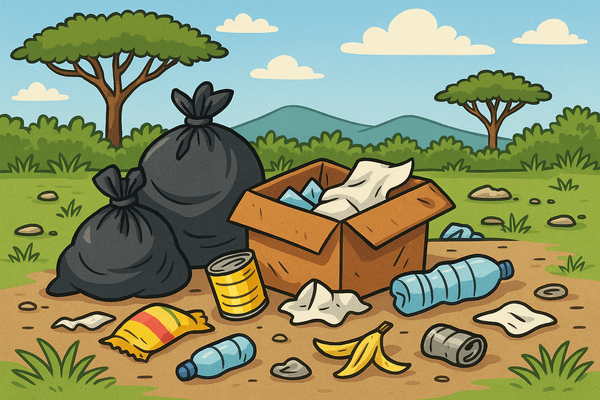
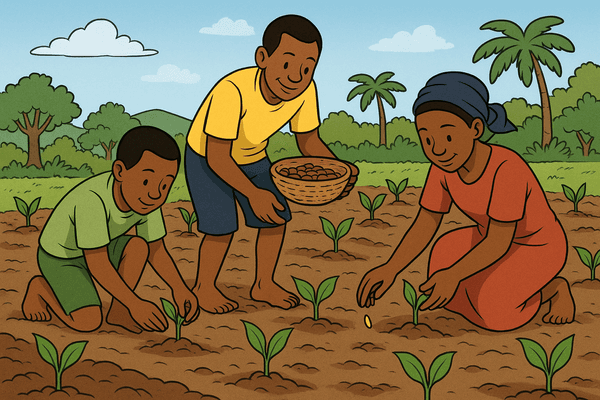
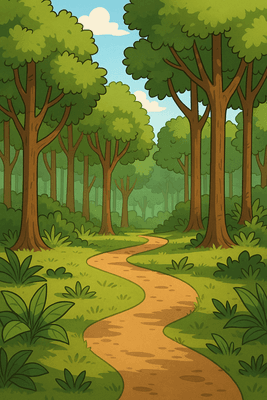
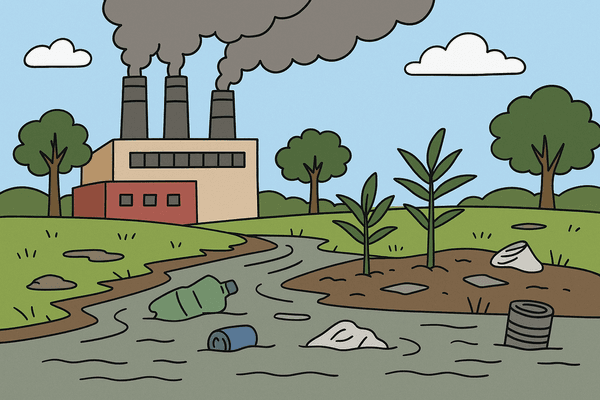
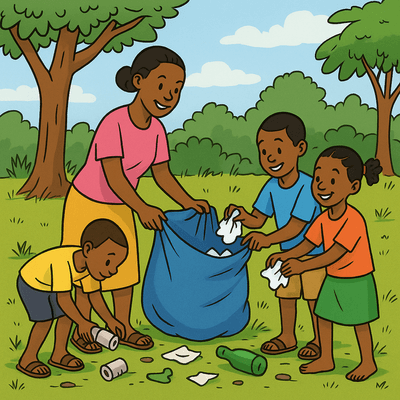
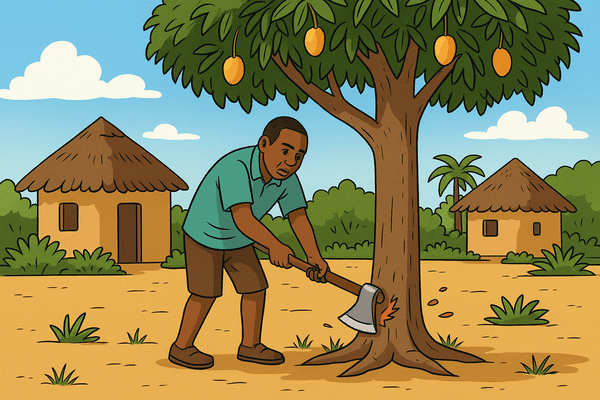
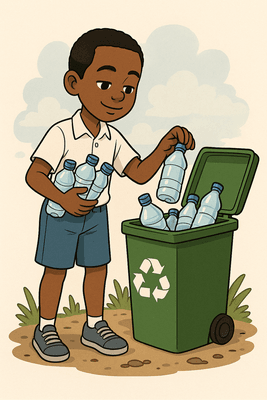
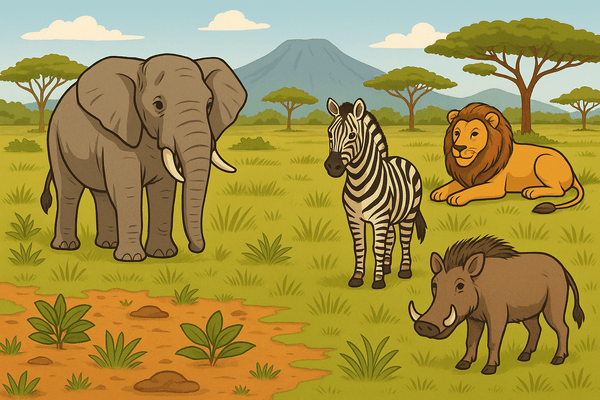
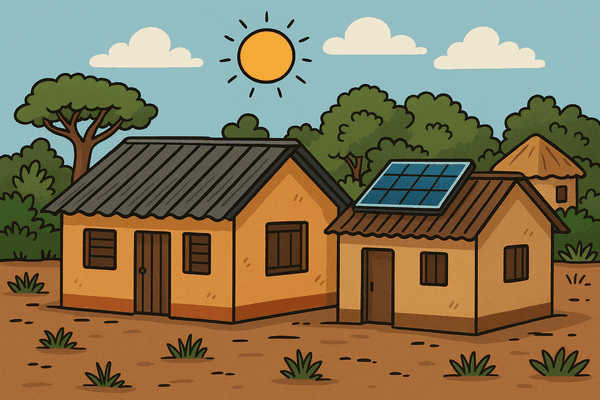
Activity 1: Fill in the blanks with words from the blue box to describe the pictures

Activity 2: Listen to the story and decide if the statements are true or false
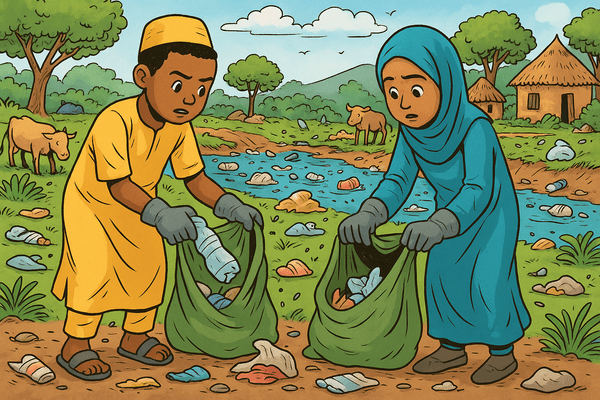
The children saw a clean river with no rubbish.
false
true
Amani and Salma decided to clean the area near the river.
false
true
The children used sticks and leaves to clean the environment.
true
false
Other children joined Amani and Salma to help.
true
false
The old man told the children they should not clean.
true
false
After cleaning, the place looked better and the animals had more space.
true
false
Amani said they should never clean the river again.
true
false
Salma and Amani learned that using a bin is better than throwing rubbish on the ground.
true
false
Activity 3: Match the words from the left side with the right side to build meaningful sentences
You found 0 of 10 pairs.
No matches yet
Activity 4: Learn about auxiliary verbs
1. can – "I am able to / I know how to"
✅ Use can to talk about ability or permission.
Examples:
- I can ride a bicycle. (= I know how)
- Can I go to the toilet? (= asking for permission)
2. may – "Is it okay?"
✅ Use may to ask permission in a polite way.
Examples:
- May I go outside, teacher?
- You may have another chapati.
💡 "May" is more polite than "can".
3. should – "It’s a good idea."
✅ Use should to give advice or say what is right.
Examples:
- You should help your little brother.
- We should throw rubbish in the bin.
4. will – "It will happen / I promise"
✅ Use will to talk about the future or to promise something.
Examples:
- I will do my homework.
- We will plant trees tomorrow.
5. Quick Summary:
- "Can" = ability
- "May" = polite permission
- "Should" = advice
- "Will" = future / promise
Activity 5: Fill in the blanks - using "can", "will", "may", and "should"
Activity 6: Complete each question or answer by filling in the blanks
a) Fill in the answers
b) Fill in the questions
Activity 7: Learn more auxiliary verbs
1. could – "I was able to / I might be able to"
✅ Use could to talk about:
- Ability in the past
- Polite requests
- Possibility
Examples:
- I could swim when I was five. (past ability)
- Could you help me, please? (polite request)
- We could go to the park if it is sunny. (possibility)
2. might – "Maybe / It is possible"
✅ Use might when something is possible, but we are not sure.
Examples:
- It might rain today.
- She might visit us tomorrow.
💡 "Might" shows less certainty than "will."
3. would – "I would do it if..."
✅ Use would to talk about:
- Imaginary situations
- Polite offers and wishes
Examples:
- I would help if I had more time. (imaginary)
- Would you like some tea? (polite offer)
4. ought to – "You should / It is the right thing"
✅ Use ought to to talk about:
- Advice or moral duty
Examples:
- You ought to be kind to your classmates.
- We ought to protect the environment.
💡 "Ought to" is similar to "should," but sounds a little stronger.
5. Quick Summary:
- Could = polite/capable/possible
- Might = maybe
- Would = polite/imaginary/future after "if"
- Ought to = moral advice, stronger than "should"
Activity 8: Fill in the blanks - using "could", "would", "ought to", and "might"
Activity 9: Fill in the missing words in each question or answer
a) Fill in the answers
b) Fill in the questions
Activity 10: Choose the correct auxiliary verb
People _______ plant more trees in their community to save the environment.
would
will not
should not
should
It _______ rain later, so we should clean the area now.
might not
could not
ought to
might
I ________ bring a bag for collecting rubbish if I had one at home.
will not
will
would not
would
Furaha _______ help clean the school compound tomorrow because she promised to join us.
will
will not
would
would not
Yohana _______ come today because he is sick.
might not
will
might
may
We _______ take care of animals in the forest because they are part of our environment.
ought to
could
may not
should not
Activity 11: Fill in the blanks with the correct auxiliary verb