Unit 10
Celebrating festivals
Activity 1: Learn new vocabulary - match the words on the left side with their meanings on the right side
You found 0 of 10 pairs.
No matches yet
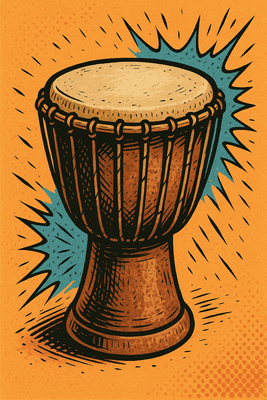
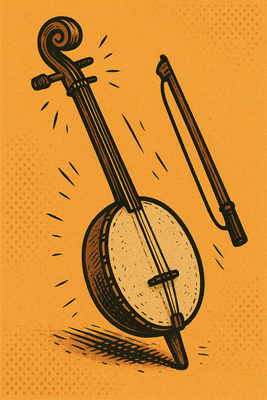
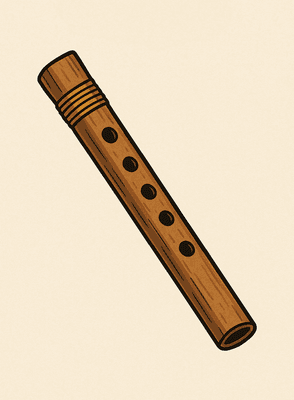
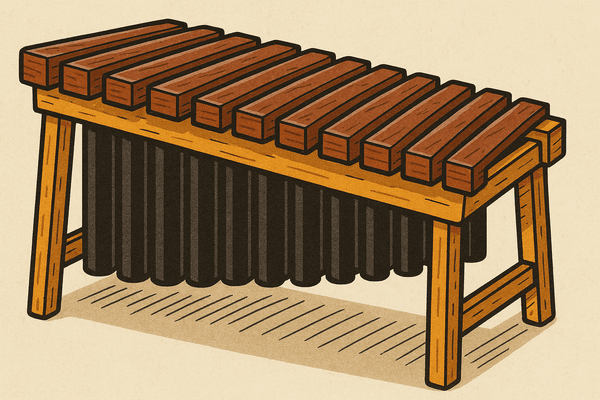
Activity 2: Write the name of the musical instrument you see in the picture

Activity 3: Read the story and fill in the blanks to summarise it
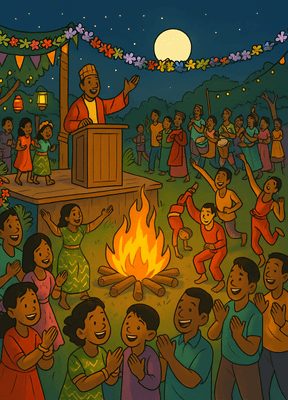
The Full Moon Party
Every year, the people of Moonlight Village celebrate a Full Moon Party. It is a traditional festival held at the end of the harvest season. The village becomes full of joy and excitement.
The celebration takes place at the big venue near the river. Early in the morning, villagers begin to decorate the place with flowers, lanterns, and lights. By evening, many guests start arriving with their families.
Children wear colorful costumes, and the elders prepare a large feast with rice, meat, fruits, and sweet cakes. People sing traditional songs and perform dances around a big fire.
At night, everyone gathers to watch acrobatics and theatre shows. The full moon shines brightly in the sky, and the chief gives a short speech to welcome everyone. Later, there is a long parade with drums and music. Everyone claps and cheers.
The Full Moon Party helps bring the community together. People celebrate with love, respect, and unity. It is a day everyone in the village looks forward to each year.
Activity 3a: Fill in the blanks to summarise the story
Activity 4: Learn how to use the simple present tense
1. What is the Simple Present Tense?
The Simple Present Tense is used to talk about:
✅ Things we do every day (habits or routines)I brush my teeth every morning.She goes to school at 7 o'clock.
✅ Things that are always true (facts)The sun rises in the east.Birds have wings.
✅ Feelings and likesI like bananas.He loves football.
2. How to Use It
➡️ With I, You, We, They — use the base form of the verb: I play.They run.We eat.
➡️ With He, She, It — add "s" or "es" to the verb: He plays.She runs.It goes.
3. Negative Sentences
➡️ With I, You, We, They: I do not (don't) play football.
➡️ With He, She, It: She does not (doesn't) go to school.
4. Questions
➡️ With Do: Do you like mangoes?Do they play football?
➡️ With Does: Does he go to school?Does she like milk?
5. Easy Examples
| Subject | Sentence |
|---|---|
| I | I eat rice every day. |
| He | He plays football. |
| They | They walk to school. |
| She | She drinks milk every night. |
Activity 4a: Fill in the blanks with the correct Simple Present form of the verbs
Activity 5: Choose the correct words to make a sentence
We ________ celebrate the Full Moon Party in the morning.
She ________ wear traditional clothes every day.
Ali ________ enjoy loud music during the festival.
She ________ gather with us at the Full Moon Party.
We ________ light fireworks during the day.
The moon ________ shine brightly during the day.
The children ________ stay up late after the party.
We ________ start the festival without decorations.
Activity 6: Listen to the audios and write what you hear
Activity 7: Learn how to form correct questions in the Simple Present
Activity 7a: Choose the correct question for the answer
"Yes, I play football."
"You play football?"
"Do you play football?"
"Yes, I like mandazi."
"You eat mandazi?"
"Do you like mandazi?"
"Yes, I eat fruits."
"You eat fruits?"
"Do you eat fruits?"
"Yes, I visit my grandmother."
"You visit your grandmother?"
"Do you visit your grandmother?"
"Yes, I walk."
"Do you walk?"
"You walk?"
"No, I do not speak English at home."
"You speak English at home?"
"Do you speak English at home?"
"Yes, I like ugali."
"You like ugali?"
"Do you like ugali?"
"Yes, I brush my teeth every day."
"Do you brush your teeth every day?"
"Does you brush your teeth every day?"
Activity 7b: Write the correct question for the answer
Activity 8: Choose the right words from the blue box and write them in the blanks
Activity 9: Arrange the sentences so as to make a good composition by giving them letters A - E
36: The festival ends with fireworks and a speech from the village leader.
37: Early in the morning, people decorate the venue with lanterns and flowers.
38: Children perform songs and cultural dances on stage.
39: Later, a big feast is shared with everyone in the community.
40: By afternoon, guests begin arriving in traditional clothes.
Choose the correct options: